Leaf Season Strategy: Yard Waste Removal Cumming That Beats Bag Piles
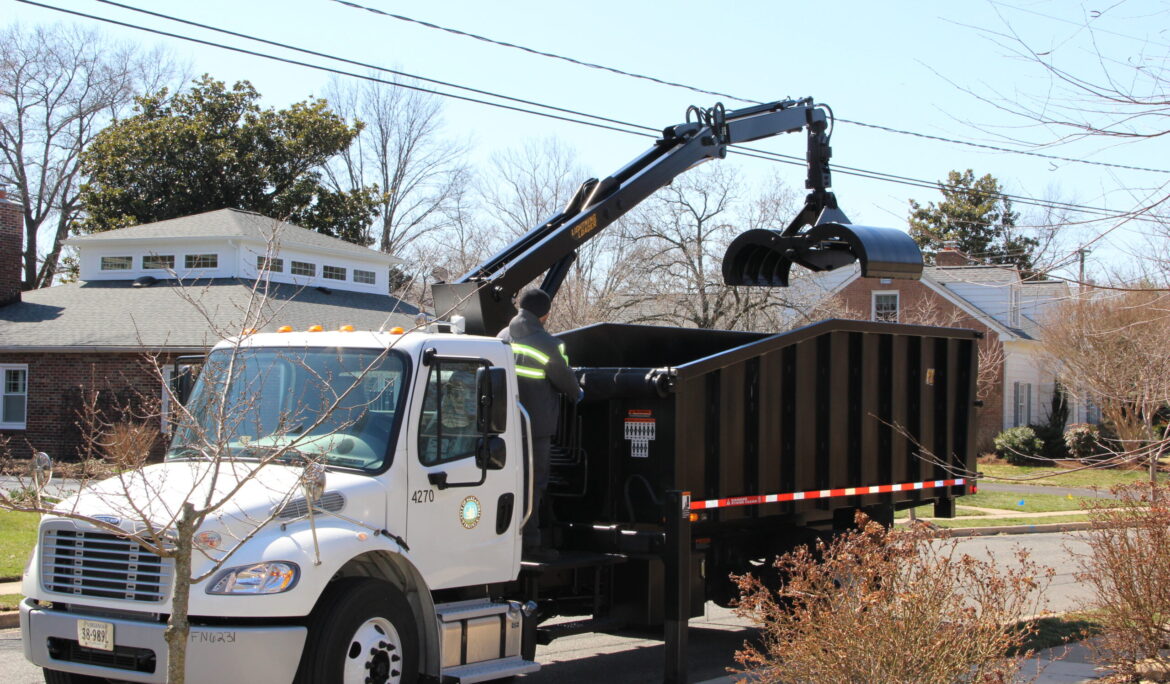
Leaf season in North Georgia can turn a peaceful weekend into an exercise in sweating. Oaks and maples shed rapidly, pine straw blows into corners, and curbside bags accumulate until you can’t see the lawn anymore. The fundamental assumption is this: stage your cleanup on intelligent staging, same-day hauling, and greener disposal, and Yard Waste Removal Cumming turns into quick, safe, and affordable—without heaps of paper bags or back-and-forth dump trips.
Why bag piles are holding you back
Minutes lost to double handling
Bagging seems simple, but typically you’re lifting the same leaves twice. You rake up piles, fill bags, pull bags out to the street, and repeat everything when the wind blows through everything. If the pickup days don’t coordinate with your schedule, bags sit around for a week, get wet, and tear. A direct load-out system skips the middle step. You rake to the driveway edge or a staging tarp, and a crew or trailer takes the material in one pass. The result is fewer hours working, fewer materials wasted, and a lawn that looks finished the same day.
Wear and tear on your body and the lawn
Heavy bag filling with wet leaves is difficult on shoulders and lower backs. The Occupational Safety and Health Administration suggests avoiding awkward twisting and lifting motions because they result in strains. Heavy dragging of heavy bags also damages turf and damages irrigation heads. If you set material up once and load it onto a trailer or truck, you reduce the number of heavy lifts and you spare the yard you recently cleaned.
An easy, one-week schedule that is better than infinite bagging
Seven days in advance: walk, sort, and plan
Walk the yard for ten minutes. Take note of areas with most leaf fall, any down branches, and where the wind accumulates debris. Select your staging point near the driveway or curb where a truck can pull over safely. For a quick estimate and a tight window, utilize several photos and a brief note through the JunkMan Jon contact page. Scheduling early for Yard Waste Removal Cumming enables you to work on good days and not worry about pickup schedules.
Three days out: rake smart, stage smarter
Rake in the direction of the wind and stack trash towards that staging area so that you don’t have to cross back and forth across the yard. Load sticks and branches separate from leaves to load more quickly and keep the leaves cleaner for mulching or composting. When rain is imminent, tarp over staged piles and weigh down corners. That keeps the material light and easy to move, and loading day is shorter. If you’re doing patios and sidewalks as well, sweep grit from doors so it won’t be tracked back in.
Same day: clean finish, load once
On pickup day, pull back piles and push the tarp to the edge of the driveway. Leaves and chips can be forklifted directly into truck bed or chipper, then limbs loaded in without commingling. The last ten minutes is a quick slap with a blower on the driveway and curb line. A sharp edge makes the whole yard look nice and keeps storm drains clear. For easy tips on storm drain maintenance, Ready.gov explains why clear grates decrease standing water and danger during a heavy rain.
For seasonal tips and straightforward checklists, you can always browse the JunkMan Jon site and then book your favorite time slot on the contact form.
What is yard waste—and how to deal with each
Leaves, pine straw, and grass
Straw, leaves, and clippings are best suited for compost and mulch. The U.S. Environmental Protection Agency’s Sustainable Materials Management policy encourages keeping organics out of landfills because it is space-efficient and gives nutrients back to the ground. If you garden, you can keep a small amount in reserve for mulch around bushes and dispose of the rest in one pickup. Clean, dry leaves are easy to reuse; wet leaves get heavy fast, so covering your pile in advance with a tarp is essential.
Branches and little logs
Wind and occasional pruning provide you with branches that don’t qualify on curbside standards. Loadable length, stacked by thickness, load faster and pack tighter in the truck. If you have a fireplace or fire pit with wood capability, set neat rounds where you’d prefer to have them delivered and mark the “take” stack on pickup. If you’d prefer to have it all hauled away, crews can bring saws and dollies to move the larger items without tearing the turf.
Soil, sod, and broken hardscape
Soil, older sod, and busted-up pavers aren’t bagged and shouldn’t be curbside. Place them in a separate mini-mound close to the driveway. Keeping the materials separated expedites your trip and keeps disposal in compliance. When replacing beds or re-edging sidewalks, pavers stacked on a dolly or pallet allow the new lawn to remain unscathed by chips and scuffs.
Safety and health during leaf season
Avoiding slips, strains, and mold
Leaf season usually equals rainy mornings. Wet leaves are slippery on stairs and stone. Wear shoes with treads and keep walkways clear while you work. OSHA’s simple ergonomics advice is in action here: use long, lightweight rakes to keep bending to a minimum, and change hands to avoid repetitive strain. If weekend storms drench piles, hasten through. The Centers for Disease Control and Prevention further stipulates that damp, porous surfaces will begin to mold within one to two days, so ventilating and removing the momentary problem leaves garages and porches fresh.
Defending air and water
Trickling leaves onto the sidewalk can clog drains and spray nutrients into waterways. The EPA advises keeping yard debris on site or collecting it properly, not into the storm system. A final cursory curb sweep prevents puddling after rainstorms at driveways and keeps your area looking nice. Mulching mow with highest drop, keep blades sharp to get clippings chopped up fine and fall into the lawn instead of clumping.
Keep your cleanup greener without getting in the way
Save what you can reuse
A thin layer of shredded leaves under bushes holds water and bumps soil health. A small compost bin builds a spring bed asset. The EPA websites on composting outline simple ways to chop leaves to useful mulch with simple tools you might already own. If composting is not possible, a professional collection that separates loads still minimizes your impact below commingled landfill dumping.
Keep drains and gutters clear
Leaf season is gutter season, too. Keeping gutters clear early in the fall before intense rain sends water away from foundations and reduces staining of siding and walks. Ready.gov recommends checking downspout ends and grates so water can flow freely. If you are anxious on ladders, order gutter work the week you order yard pickup so both are done concurrently and your cleanup period is minimal.
How to keep cost affordable and timetables tight
Why volume beats by-the-hour
Volume-based pricing places your bill on the amount of trash you have, not on the duration of the day. If you give them a couple of photos and some overview information, the crew can estimate the load and arrive with the right equipment. Steep slopes, tight gates, and long hauls are not stoppers; they simply take planning. Easy access and a clean staging area reduce trip time and ensure your quote is consistent.
Same-day and weekend windows
Fall Saturdays get booked quickly because everyone is waiting for a day without rain. If your images are ready and you have a staging strategy, you can request a window that aligns with trimming and mowing. Most single-yard loads fall in between other local stops, so same-day pickup is possible. In the event of a change in weather, communicate a rain plan and tarp piles so material is light and moves fast when the truck arrives.
If you’d like an estimate of your load or need a same-day turn for company this weekend, call through the contact page and let us know in the message what window you’d like.
Special situations you might find yourself in this fall
After a fast-moving storm
Branches fall, tarps take flight, and leaves blanket beds. The best response is to search for fallen lines from the ground and report utilities if something seems amiss. Once it’s safe to do so, remove heavy debris off sidewalks first so people can walk through the yard with ease. Piles that are wet must be hauled away the same day where feasible in order to avoid odors on patios and discoloration on concrete.
HOA rules and tight streets
Some streets near schools and parks have parking and quiet hours. If you need curb space for a truck, leave a door notice on neighbors’ doors the evening before. When everyone anticipates a quick pickup to arrive, frustration lowers and the job gets done quickly. Keep everything flowing smoothly by using a staging area that does not obstruct mailboxes or hydrants.
Continue the win after pickup
A quick reset that lasts
Following yard cleanup, mulch a mower over shredded leaves from late-fall directly onto the lawn. It keeps small drops from forming into new piles and feeds the grass heading into winter. Cut edges in beds and blow the porch and walks clean to achieve that “day-one” look. To be ahead all season long, plan two mini cleanups a few weeks apart rather than one finale, last-minute, all-day event.
Simple record and future use
Get a few pictures of the staging piles and front curb prior to pickup. Get the same pictures once the truck has departed. Save them along with your invoice in case your HOA asks for records of the proper removal. If you liked how the day went down, set a reminder to schedule arrangements for the following visit a month in advance so you do not stumble when visitors arrive or a listing opens up. For additional advice that will fit your yard and calendar, view the latest postings on the JunkMan Jon blog.
Conclusion
Leaf season need not translate to a pile of bags obstructing your curb. With a solid plan, a specific staging location, and a speedy, trustworthy pickup, Yard Waste Removal Cumming turns a backbreaking task into a short, satisfying job. You transport material only once, reduce strain on your back, save your lawn, and keep organics out of the landfill according to EPA guidelines. Walk the yard, stage smartly, tarp before rain, and arrange for a single pass that leaves the curb clean and beds tidy. If you are willing to invest your window, send a rushed note and photographs through contact page, and have a yard that looks complete the same day—no bag pile in sight.