Georgia Burn Ban Hacks: Legal Yard Waste Removal Cumming
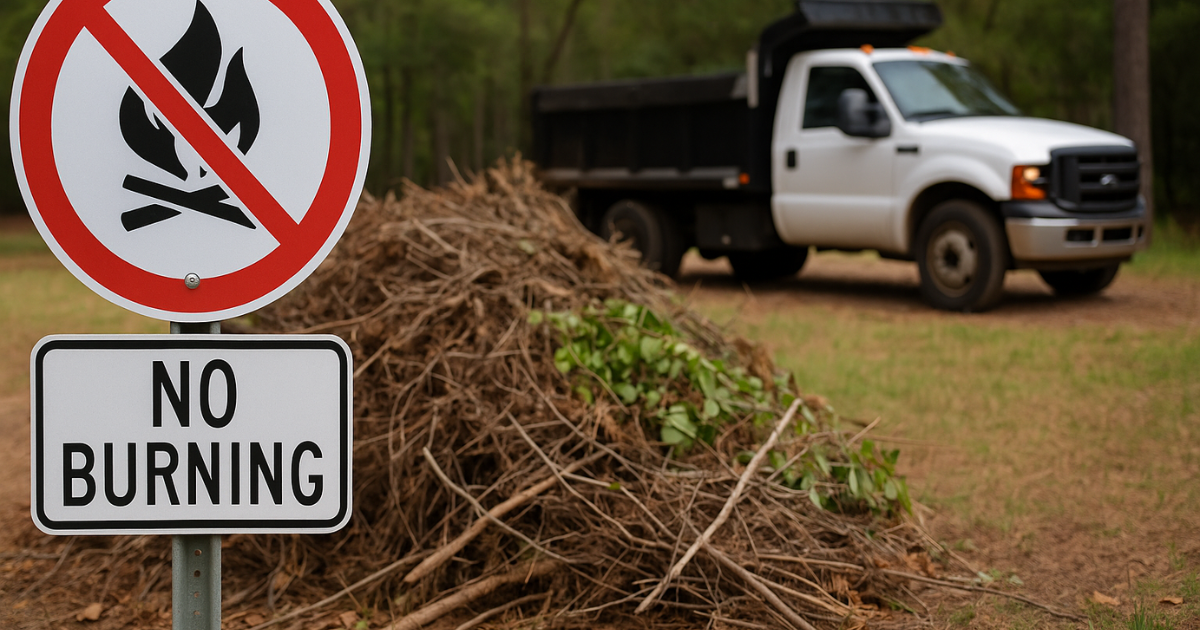
Georgia’s burn ban during the summer turns on every May 1, and before you know it, every neighborhood is like an obstacle course of limb-filled mayhem. If you’re in Forsyth County, you can’t legally burn that brush pile until October, but you don’t have to waste Saturdays cruising past the landfill or paying fines either. This handbook walks you through everything you need to know about Cumming Yard Waste Removal during burn-ban season: what’s outlawed by the ban, the penalty for not following it, all the legal ways to dispose of it (from county drop-off to on-demand removal by JunkMan Jon, budget-friendly prep strategies, storm-cleanup hacks, and eco-friendly upgrades that’ll leave next year’s heap smaller.
Burn Ban Basics: What, When, and Why
Georgia’s 54-County Summer Burn Ban (May 1–Sept 30)
Georgia Environmental Protection Division (EPD) forbids most open burning in 54 counties, such as Forsyth, from May 1 through September 30 to minimize ozone-forming pollutants and wildfire risk. Leaf or limb blazes in your own backyard that are totally legal during February will earn you a citation during June, so paying attention to the calendar is step one in any yard-waste plan.
Health & Environmental Reasons Behind the Ban
Hot, still summer air traps smoke particles close to the ground, creating unhealthy levels of ozone that induce asthma attacks and cardiorespiratory illnesses. The ban also minimizes accidental brush fires, which the U.S. Forest Service lists as one of Georgia’s largest seasonal hazards.
Penalties for Non-Compliance in Forsyth County
Ignore the ban and you can get local citations of $1,000 or more, and Georgia EPD penalties of up to $25,000 per day for illegal burning. Add the cost of calling up firefighters—Forsyth County has residents call up burn status by phone or website daily before lighting any legal fire—and the “just burn it” convenience can rapidly become expensive.
Legal Yard-Waste Disposal Options in Cumming
County Recycling Centers & Drop-Sites
Forsyth County also has three convenience centers. They will accept clean segregated limbs and leaves for about $5 per pickup-truck load but no mixed-up yard waste or dirt-covered stumps. 7 a.m.–5 p.m. Monday–Saturday—forget closing time and your truck bed sleeps full.
JunkMan Jon Curbside Pickup Service
For larger stacks—or if you have a sedan—schedule an on-demand haul with JunkMan Jon. Crews dig through trash on the property, keep low dirt weights, and drop-off materials to compost or mulch facilities before paying landfill rates. Same-day scheduling and flat fees eliminate lineups and surprise fees, so professional Yard Waste Removal Cumming is more cost-effective than two self-haul dump trips.
Commercial Compost & Free Mulch Programs
Free wood chips from county chipping efforts are available to residents—just be sure to bring a shovel and containers. Big composters like Cowart Mulch & Compost (Gainesville) will take brush for a per-ton charge but recycle finished compost at a discount, making yard trash into garden treasure.
Yard-Waste Sorting Hacks That Slash Your Dump Bill
Keep It Clean: Why Dirt-Free Loads Cost Less
Landfills weigh every load. Soil-clumped roots make the scale jump, and at $65–$75 per ton at regional landfills, that’s money you’d rather keep. Knock dirt from roots and separate grass clippings into paper lawn bags—most compost sites accept them at a lower per-ton rate.
Cut & Stack: Space-Saving Limb Prep
Cut the branches into four-foot lengths and pack them tightly in the bed of the truck. Secured loads mean fewer trips and less volume charges. A tarp thrown over the pile prevents leaves from blowing away—Forsyth County has littering tickets, and state-wide cleanup costs more than $11.5 billion annually.
Free City Mulch Hack
If you’re pruning hardwoods, ask the hauler to chip clean branches on-site. You’ll score free mulch for fall beds and avoid paying disposal at all. County chippers turn similar brush into free pickup piles at their centers.
DIY vs. Professional Yard Waste Removal Cumming
True DIY Costs
Pickup rental ($49/day), two 30-mile round-trip gas ($15), tarps and straps ($10), and dumpster dumping (~$50 per load) bring a Saturday DIY load to approximately $125–$140—and that doesn’t count using a chainsaw or losing precious weekend time.
When to Call JunkMan Jon: Five Money-Saving Scenarios
- Storm-damage piles taller than 4 ft.
- HOA curb-appeal deadlines with fine threats.
- Eler-care yards where family members can’t haul heavy branches.
- Flip or rental turnovers with same-day curb removal.
- Tracts of acreage that produce truck-loads of brush.
In all cases, a flat-rate pick-up beats out many landfill trips—especially the ban, when do-it-yourself burn permits disappear.
Checklist: Vetting a Legit Yard-Waste Hauler
Ask for insurance certificates, landfill or compost tickets, and Forsyth County business registration documentation. Good crews like JunkMan Jon freely produce them and spell out where exactly each category of debris goes.
Storm-Cleanup Playbook: Debris in 24 Hours After the Thunderstorm
Insurance Timelines & Documentation Tips
After a severe storm, insurers may require debris removal within 72 hours to prevent further damage; FEMA debris programs have similar windows, with owners signing Right-of-Entry forms well ahead of deadlines. Record damage before cleanup and after cleanup, keep hauler receipts, and mark cubic yards removed for adjusters.
Accel Pickup Slots with JunkMan Jon
Storm loads come first with JunkMan Jon: standby emergency crews have trailers designed for convenient cul-de-sac access. Reserve on-line, upload digital photos, and receive next-morning pickup—important with the possibility of a further thunderstorm on the horizon.
Eco-Friendly Upgrades for Next Season
Native Plants That Reduce Yard Clippings by 30 %
Substituting drought-ridden turf and fragile exotics with Georgia natives like river birch, yaupon holly, and dwarf switchgrass minimizes detrimental pruning and leaf number, according to UGA Extension’s low-maintenance landscape guide. Less detritus translates to fewer dump trips—and less stressed pollinators.
Setting Up a Backyard Leaf Compost Bin
A simple 3 × 3 ft wire cage is $25 and builds in 15 minutes. Alternate “browns” (dry leaves) with “greens” (grass clippings) in a 2:1 mix, keep it moist, and turn it monthly. Mature compost improves soil structure and reduces fertilizer costs. Can’t make your own? Local community compost centers take bagged leaves for pennies on the dollar over landfill charges.
Conclusion
Georgia’s burn ban doesn’t need to leave you under a pile of brush. By understanding the ban rules, utilizing legal drop-off locations, chipping debris intelligently, and calling in trusted experts when the pile gets too high, you’ll avoid fines, protect Forsyth County skies, and preserve your weekends. Ready for hassle-free, burn-ban-proof cleanup? Book a complimentary appraisal with JunkMan Jon—Cumming’s local experts in Yard Waste Removal Cumming who load rapidly, recycle properly, and clear your yard (and checking account) free all summer long.